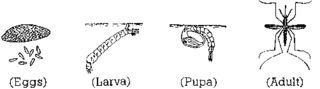
Mosquito life cycle showing the egg, larva, pupa and adult stages.
 The type of standing water in which the mosquito chooses to lay her eggs depends upon the species. The presence of beneficial predators such as fish and dragonfly nymphs in permanent ponds, lakes and streams usually keep these bodies of water relatively free of mosquito larvae. However, portions of marshes, swamps, clogged ditches and temporary pools and puddles are all prolific mosquito breeding sites. Other sites in which some species lay their eggs include tree holes and containers such as old tires, buckets, toys, potted plant trays and saucers and plastic covers or tarpaulins. Some of the most annoying and potentially dangerous mosquito species, such as the Asian tiger mosquito, come from these
 The type of standing water in which the mosquito chooses to lay her eggs depends upon the species. The presence of beneficial predators such as fish and dragonfly nymphs in permanent ponds, lakes and streams usually keep these bodies of water relatively free of mosquito larvae. However, portions of marshes, swamps, clogged ditches and temporary pools and puddles are all prolific mosquito breeding sites. Other sites in which some species lay their eggs include tree holes and containers such as old tires, buckets, toys, potted plant trays and saucers and plastic covers or tarpaulins. Some of the most annoying and potentially dangerous mosquito species, such as the Asian tiger mosquito, come from these
Comments